


Criminal Defense Law in Vietnam plays a crucial role in ensuring fairness and justice within the legal system. While the Vietnamese Constitution guarantees the right to counsel, understanding the nuances of its implementation, the rights and obligations of defense lawyers, and the practical challenges they face is paramount for upholding the principles of due process and protecting the rights of the accused. This article delves into the intricacies of Criminal Defense Law in Vietnam, exploring its legal framework, practical application, and the complexities that shape its effectiveness.
1. Introduction to Criminal Defense Law in Vietnam

The Vietnamese legal system, like many others around the world, recognizes the importance of providing legal representation to individuals accused of crimes. The ability to defend oneself against accusations, either personally or through legal representation, especially within the context of complex legal proceedings, is not merely a privilege but a fundamental human right. Without adequate legal representation, the risk of unfair conviction or disproportionate sentencing significantly increases. The Criminal Defense Law in Vietnam aims to mitigate this risk by establishing the framework for providing legal counsel to the accused. This section explores the core concepts and importance of defense counsel within the Vietnamese legal system.
1.1. Definition of Defense Counsel in Criminal Proceedings
As defined by Criminal Defense Law in Vietnam, a defense counsel is specifically appointed or designated to safeguard the accused’s legal rights and interests throughout criminal proceedings. This crucial role, distinct from others, can be filled by lawyers, legal representatives, public advocates, or legal aid officers, ensuring broad access to representation. Acting as the accused’s voice under Criminal Defense Law in Vietnam, they scrutinize evidence and challenge inconsistencies to ensure a fair trial.
Defense lawyers in Vietnam navigate a complex legal landscape. They analyze evidence, interview witnesses (where allowed by law), and develop legal strategies designed to protect their clients’ rights. They aren’t simply there to argue for acquittal at any cost instead, they work to ensure that the legal process is followed fairly and that their clients receive just treatment. This often involves negotiating plea bargains, challenging inadmissible evidence, and presenting mitigating factors during sentencing.
1.2. Importance of the Right to Counsel in Vietnam’s Legal System
The right to counsel is not merely a procedural safeguard; it’s a cornerstone of justice in any legal system, including Vietnam’s. Enshrined within the Vietnamese Constitution and reinforced through its criminal procedure code, this right guarantees that every individual facing criminal charges has the opportunity to be represented by a legal professional. This representation ensures fairness and transparency throughout the often-intimidating criminal proceedings.
The right to counsel significantly impacts the fairness and accuracy of criminal proceedings. It levels the playing field between the state, with its immense resources and legal expertise, and the individual, who may be unfamiliar with legal procedures and lack the resources to mount an effective defense. Without proper legal representation, the accused may be unable to understand the charges against them, challenge the evidence presented, or effectively argue their case. The right to counsel is also crucial for ensuring that legal principles are upheld and that the prosecution adheres to established rules of evidence and procedure. Defense lawyers act as watchdogs, preventing prosecutorial misconduct and ensuring that the accused is treated fairly throughout the process. In essence, the right to counsel is a vital component of a just and equitable criminal justice system in Vietnam.
2. Legal Provisions Regarding Defense Counsel
The framework of Criminal Defense Law in Vietnam is built upon specific legal provisions that outline who is eligible to act as defense counsel, their rights and obligations, and the procedures for registering as a defense counsel. This section delves into the specifics of these legal provisions, providing a comprehensive understanding of the legal underpinnings of defense representation in Vietnam. Having a clear understanding of the legal framework is paramount for both those involved in the legal profession and the public at large.
2.1. Eligible Individuals to Act as Defense Counsel

Article 72 of the Criminal Procedure Code No. 101/2015/QH13 explicitly defines who can serve as defense counsel in Vietnam. The most common category, and often the most effective, is lawyers. Qualified lawyers, having completed the rigorous legal training and passed the necessary examinations, possess the expertise and experience to navigate the complexities of criminal procedure. However, Article 72 broadens the scope to include legal representatives of the accused. This acknowledges that individuals with close ties to the accused, such as family members or close friends with some legal knowledge, can provide support and advocate on their behalf. Furthermore, Article 72 allows for people’s advocates appointed by the Vietnam Fatherland Front or its member organizations to be appointed. Finally, the law makes provision for legal aid officers in cases where the accused is entitled to legal aid. It is important to remember that anyone other than a qualified lawyer acting as Defense Counsel still has to follow the laws and regulations of Criminal Defense Law in Vietnam.
The inclusion of legal representatives and people’s advocates is particularly relevant in a country where access to legal services may be limited, especially in rural areas or among disadvantaged communities. These individuals, while perhaps lacking the formal legal training of lawyers, can still provide valuable support and guidance to the accused, ensuring that their voice is heard and their rights are protected. However, it is essential to recognize the limitations of these individuals compared to qualified lawyers. Lawyers possess specialized legal knowledge and experience that allows them to effectively analyze evidence, construct legal arguments, and navigate complex courtroom procedures. While legal representatives and people’s advocates can play a supporting role, they should not be considered a substitute for professional legal counsel, especially in serious criminal cases.
2.2. Rights and Obligations of Defense Counsel
Article 73 of the Criminal Procedure Code No. 101/2015/QH13 carefully delineates the rights and obligations of defense counsel in Vietnam. These rights are crucial for allowing them to effectively represent their clients and ensure a fair trial. These rights include the ability to meet and question the accused, often in confidential settings, which allows defense counsel to build rapport with their clients and gather information relevant to the case. They also have the right to be present during interrogations and to participate in the questioning of witnesses. This allows them to protect their client from potentially coercive interrogation tactics and to challenge inconsistencies in witness testimonies. Defense Counsel may also gather and present evidence, documents, and objects that support their client’s case. Defence Counsel may also inspect case files and evidence to gain a comprehensive understanding of the evidence against their client and to identify potential weaknesses in the prosecution’s case. Finally, Defence Counsel has the right to lodge complaints against procedural decisions and actions of authorities that they believe are unfair or violate their client’s rights.
Alongside these important rights come an equal amount of important obligations. First, Defence Counsel must use all available legal measures to clarify facts favorable to the accused. This obligates them to actively investigate the case, gather evidence, and present legal arguments that support their client’s position. And refrain from refusing defense without legitimate reasons, ensuring that individuals who are entitled to legal representation receive it. Finally, Defence Counsel must comply with all relevant laws and professional ethics. They are obligated to act honestly and responsibly, avoiding actions that could prejudice the administration of justice or violate their professional code of conduct. This balance of rights and obligations ensures that defense counsel can effectively advocate for their clients while upholding the integrity of the criminal justice system.
3. Procedures for Registering as Defense Counsel
The process for registering as defense counsel in Vietnam is relatively straightforward. It ensures that only eligible individuals are authorized to represent defendants in criminal proceedings, thereby maintaining the integrity of the legal system. This section outlines the required documentation and the submission and processing procedures involved in registering as defense counsel. Understanding this process is vital for aspiring defense lawyers and those seeking to represent the accused in legal proceedings.
3.1. Required Documentation for Defense Counsel Registration
To initiate the registration process, several essential documents must be presented to the relevant authorities. First and foremost, a formal request for defense counsel services from the accused individual or their legal representative is required. This document serves as proof that the accused desires legal representation and authorizes the designated individual to act on their behalf. If the individual seeking to register is a lawyer, a valid and up-to-date practicing certificate is mandatory. This certificate confirms that they are duly licensed to practice law in Vietnam and possess the necessary qualifications and experience. Finally, an introduction letter from the law practice organization where the lawyer is employed is typically required. This letter serves as verification of their affiliation with the law firm and confirms that the firm supports their involvement in the case.
The requirement for these documents ensures that only qualified and authorized individuals are permitted to act as defense counsel. The request from the accused guarantees that legal representation is voluntary and desired, while the lawyer’s practicing certificate and introduction letter provide assurance of their professional qualifications and affiliation. This thorough documentation process safeguards the interests of the accused and upholds the integrity of the Criminal Defense Law in Vietnam.
3.2 Submission and Processing of Registration
Once the required documentation is compiled, it must be submitted to the authority handling the specific criminal case. This authority, typically the investigating agency or the court, is responsible for reviewing the registration dossier and deciding on its validity. The Criminal Procedure Code sets a strict timeline for this review process, mandating that the authority must review and issue a certificate of defense counsel within three working days of receiving a complete dossier. This rapid turnaround time ensures that the accused has timely access to legal representation, minimizing delays in the proceedings and safeguarding their rights.
If the authority approves the registration, they will issue a certificate of defense counsel, officially recognizing the individual’s right to represent the accused in the case. However, if the registration is denied, the authority is legally obligated to provide a written explanation for the denial. This transparency requirement ensures that the decision is based on legitimate grounds and allows the applicant to understand the reasons for the rejection. The applicant then has the right to appeal the decision or to address the deficiencies identified by the authority and resubmit their application. This process helps prevent arbitrary denials and reinforces the principle of fairness in the Criminal Defense Law in Vietnam.
4. Instances Requiring Mandatory Defense Counsel Appointment
The principle of fairness and due process dictates that certain vulnerable individuals facing criminal charges are entitled to legal representation, regardless of their ability to afford it. The Criminal Procedure Code of Vietnam recognizes this principle by mandating the appointment of defense counsel in specific circumstances. This section explores the mandatory appointment of defense counsel, focusing on the types of cases and accused individuals that trigger this requirement. Understanding these provisions is essential for ensuring that the rights of the most vulnerable are protected within the legal system.
Cases Where Defense Counsel is Compulsory
Article 76 of the Criminal Procedure Code No. 101/2015/QH13 clearly outlines the instances where the appointment of defense counsel is not merely an option, but a mandatory legal requirement. The first and most significant category encompasses cases involving charges that carry potentially severe penalties, specifically those punishable by 20 years’ imprisonment, life imprisonment, or the death penalty. Given the gravity of these offenses and the potentially devastating consequences for the accused, the law recognizes that effective legal representation is essential to ensure a fair trial and protect their fundamental rights.
Beyond the severity of the charges, the law also mandates the appointment of defense counsel for certain vulnerable populations. If the accused has a physical or mental disability that impairs their ability to understand the charges against them or to effectively participate in the legal proceedings, the authorities are required to appoint defense counsel on their behalf. Similarly, if the accused is under 18 years of age, their youth and immaturity make them particularly vulnerable to manipulation or misunderstanding, and therefore, legal representation is compulsory. These provisions reflect a commitment to fairness and equity within the Criminal Defense Law in Vietnam, ensuring that those who are most vulnerable to injustice receive the legal support they need to navigate the complexities of the criminal justice system.
5. Practical Application and Challenges
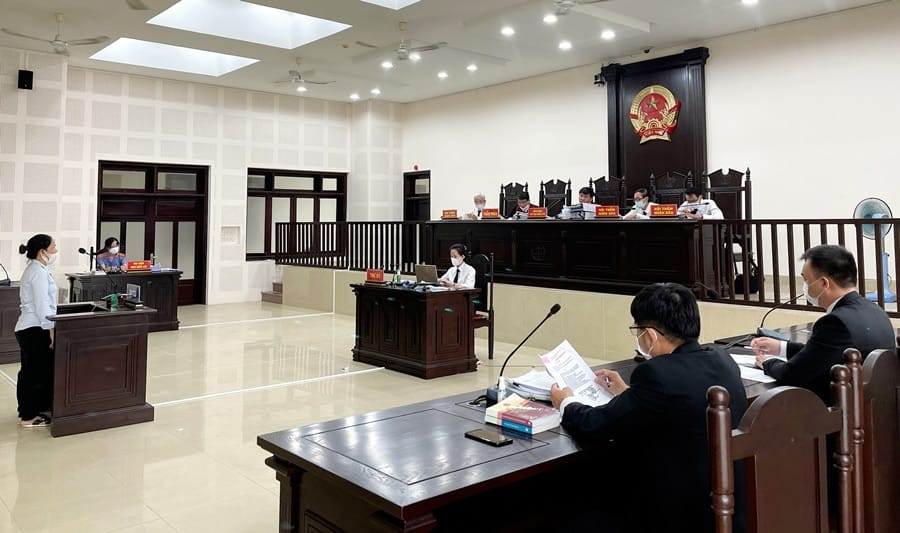
While the legal framework for criminal defense in Vietnam appears robust on paper, the practical application reveals a more nuanced reality, often marked by challenges and limitations. This section explores the reality of Criminal Defense Law in Vietnam, including the experiences of defense lawyers, the difficulties they face in exercising the right to counsel, and the broader implications for the administration of justice. Bridging the gap between legal theory and practical reality is crucial for strengthening the effectiveness of the Vietnamese criminal justice system.
5.1. Practice of Criminal Defense Law in Vietnam
Defense lawyers in Vietnam carry a significant responsibility in safeguarding the rights of the accused. They act as the primary line of defense against potential abuses of power, ensuring that the legal process is followed fairly and that their clients receive just treatment. They work tirelessly to investigate the facts of the case, gather evidence, and present legal arguments that support their client’s position. They are the voice of the accused, challenging inconsistencies in the prosecution’s case and advocating for their client’s rights at every stage of the proceedings.
Despite their crucial role, defense lawyers in Vietnam often encounter significant challenges in their daily practice. Accessing case files and evidence can be difficult, often requiring lengthy bureaucratic processes and encountering resistance from investigating agencies. Meeting privately with clients can be subject to restrictions, limiting the ability to build trust and develop a comprehensive defense strategy. Participating effectively in court proceedings can also be hindered by limited resources, procedural obstacles, and, at times, a lack of respect from court officials. These challenges can significantly impede the ability of defense lawyers to provide effective legal representation, undermining the fairness and integrity of the Criminal Defense Law in Vietnam.
5.2. Difficulties and Limitations in Exercising the Right to Counsel
The practical challenges faced by defense lawyers in Vietnam often translate into limitations in the accused’s ability to fully exercise their right to counsel. One of the most significant obstacles is limited access to information and evidence. Defense lawyers may struggle to obtain crucial documents, witness statements, or forensic reports that are essential for building a strong defense. This lack of access can put them at a significant disadvantage compared to the prosecution, compromising their ability to challenge the evidence against their client.
6. Conclusion
The Criminal Defense Law in Vietnam establishes a vital framework for fairness, enshrining the fundamental right to counsel. While the legal basis is strong, practical implementation faces complexities and limitations, including the challenges lawyers encounter. Addressing these issues through concerted efforts towards transparency, legal independence, and public education is crucial for strengthening Criminal Defense Law in Vietnam and ensuring the principles of due process and fair trials are upheld.
